
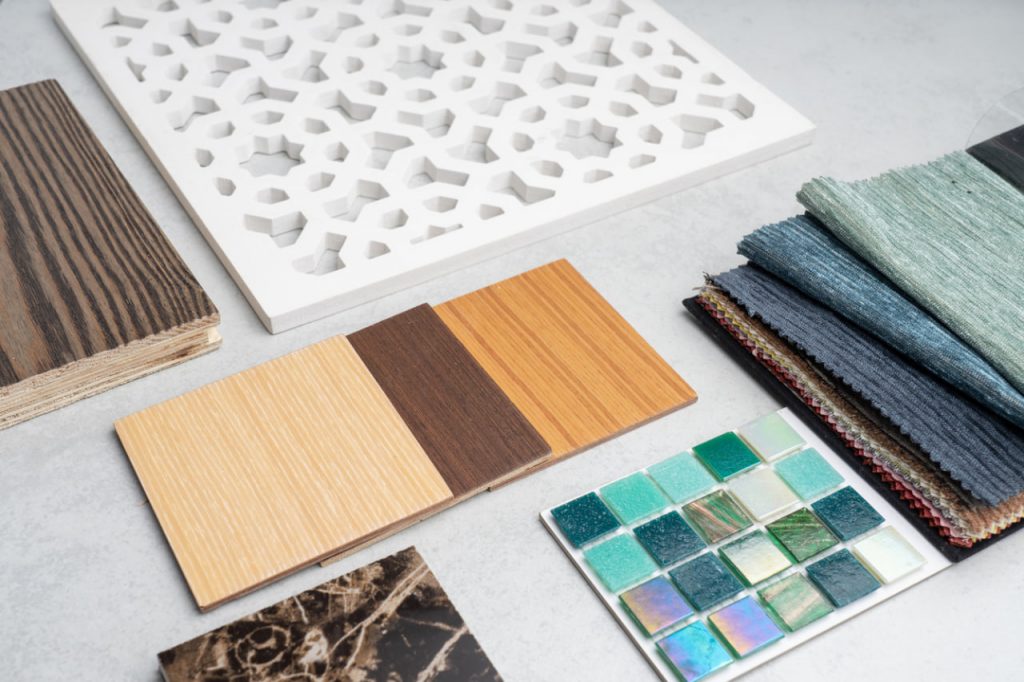
Working with fabric is both a practical skill and a form of creative expression. Mastering fabric handling and sewing techniques allows you to create functional items, stylish clothing, and artistic projects. Understanding materials, tools, and methods is essential to achieve professional results while enjoying the creative process.
Understanding Fabrics
Different fabrics have unique textures, weights, and behaviors that affect how they are handled and sewn. Natural fabrics like cotton, linen, and wool are breathable and versatile, while synthetic fabrics such as polyester and nylon offer durability and stretch. Recognizing the properties of each fabric helps you choose the right materials for your projects, anticipate challenges, and apply suitable techniques for cutting, stitching, and finishing.
Essential Sewing Tools
A successful sewing project begins with the right tools. Essential sewing tools include:
Scissors and rotary cutters for precise cutting
Needles and pins for holding pieces together
Measuring tapes and rulers for accuracy
Sewing machines for efficiency and speed
Marking tools for transferring patterns
Familiarity with these tools ensures efficiency, precision, and safety. Proper handling and maintenance of your tools also extends their lifespan and contributes to professional results.
Cutting and Preparing Fabric
Careful preparation is key to successful sewing. Measuring accurately, marking patterns clearly, and cutting fabric with precision reduces errors and ensures pieces fit together properly. Understanding the grain, stretch, and direction of fabrics allows you to achieve smooth seams and consistent finishes. Pre-washing fabrics to prevent shrinkage and ironing to remove wrinkles further improve the quality of your final projects.
Basic Sewing Techniques
Mastering basic stitches and seams provides a foundation for all sewing projects. Techniques such as straight stitching, backstitching, and zigzag stitching create strong, durable seams. Learning how to finish edges, reinforce stress points, and sew corners or curves correctly enhances both the strength and appearance of your work. Practicing these skills ensures consistent and reliable results in every project.
Creative Techniques and Design
Once foundational skills are mastered, sewing becomes an opportunity for creativity. Techniques such as applique, embroidery, pleating, and patchwork allow you to add decorative elements and unique design features. Combining colors, textures, and patterns thoughtfully elevates projects, turning functional items into personal artistic expressions. Creative sewing fosters experimentation while maintaining technical precision.
Managing Fabric and Workspace
An organized workspace improves efficiency and reduces errors. Keeping fabrics neatly folded, using containers for threads and notions, and setting up dedicated areas for cutting, stitching, and pressing ensures a smooth workflow. Properly storing fabrics also protects them from damage, dust, and sunlight, maintaining quality for current and future projects.
Troubleshooting and Adaptability
Even experienced sewers encounter challenges such as fabric slipping, puckering, or misaligned seams. Learning to troubleshoot issues, adjust tension, or modify techniques allows you to maintain quality while completing projects. Adaptability ensures that unexpected difficulties become opportunities for skill development rather than sources of frustration.
Applying Skills to Projects
The skills learned in fabric handling and sewing can be applied to a wide variety of projects. From home décor items like cushions, curtains, and table linens to clothing, accessories, and creative crafts, these abilities provide both functional and artistic value. Mastery of fabric handling and sewing opens the door to endless possibilities for practical and decorative creations.