
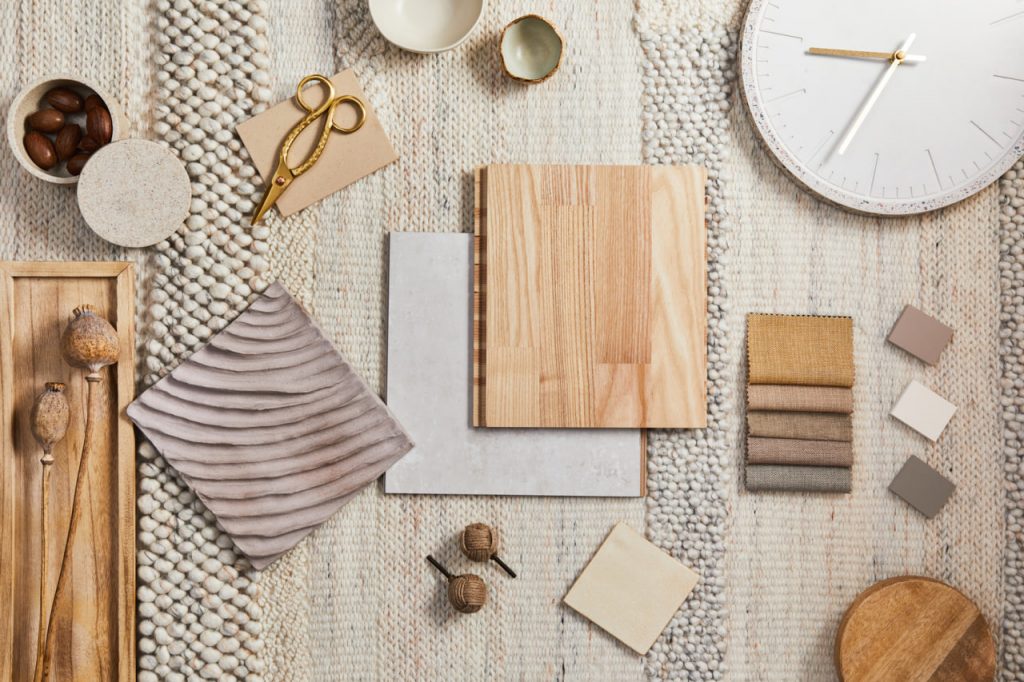
Paper crafting is a versatile and creative skill that allows you to transform simple sheets of paper into functional, decorative, and artistic projects. Understanding the properties of paper, mastering tools and techniques, and applying thoughtful design principles are essential for producing high-quality results. Paper crafting combines precision, creativity, and problem-solving, making it a rewarding skill for both hobbies and practical applications.
Understanding Paper Types
Different types of paper have unique weights, textures, and characteristics that affect how they can be used. Cardstock and heavy paper provide durability for boxes, cards, and structural projects, while lighter papers are ideal for origami, layering, and decorative details. Specialty papers, including patterned, textured, and handmade varieties, add visual interest and unique effects. Knowing which type of paper to use ensures stability, quality, and aesthetic appeal in your projects.
Essential Tools for Paper Crafting
Using the right tools improves efficiency, precision, and the overall quality of your work. Key paper crafting tools include:
Cutting tools such as craft knives, scissors, and rotary cutters for precise shapes
Rulers and measuring tools for accurate alignment
Adhesives including glue sticks, tape, and liquid glue for secure assembly
Scoring and folding tools for clean, professional creases
Embossing and decorative tools for texture and design elements
Mastery of these tools allows you to execute techniques effectively and expand the range of projects you can create.
Cutting and Folding Techniques
Precise cutting and folding form the foundation of paper crafting. Accurate measurements and careful alignment prevent errors and ensure that pieces fit together properly. Scoring paper before folding helps achieve clean edges, sharp creases, and structural stability. Understanding grain direction and paper thickness also contributes to better folding results and smoother final projects.
Layering and Composition
Layering is an essential technique for creating depth, dimension, and visual interest in paper projects. By combining different colors, textures, and patterns, you can create sophisticated designs for cards, scrapbooks, and decorative pieces. Composition principles, such as balance, contrast, and focal points, help guide the arrangement of elements to achieve an aesthetically pleasing and cohesive result.
Decorative and Finishing Techniques
Adding decorative details elevates paper crafting projects from simple to exceptional. Techniques such as embossing, die-cutting, stenciling, stamping, and inking enhance texture, detail, and artistic appeal. Finishing touches, including edging, matting, and layering, give a polished and professional appearance. Attention to detail in decoration significantly enhances the quality and perceived value of your projects.
Organization and Workspace Management
An organized workspace improves efficiency, reduces mistakes, and supports creativity. Keeping paper, tools, and adhesives arranged and accessible allows you to focus on the creative process rather than searching for materials. Protecting papers from dust, moisture, and sunlight ensures they remain in optimal condition for ongoing and future projects.
Problem-Solving and Adaptability
Paper crafting often involves challenges, such as misaligned cuts, paper tearing, or folding errors. Developing problem-solving skills allows you to adapt techniques, make corrections, and find creative alternatives. Flexibility and adaptability ensure that challenges do not hinder progress but instead become opportunities to refine skills and improve outcomes.
Applying Paper Crafting Skills
Paper crafting skills can be applied to a wide variety of projects, from greeting cards, gift packaging, and decorative home items to creative art pieces and educational materials. Mastery of techniques such as cutting, folding, layering, and decorating provides both functional and artistic value. These skills also enhance creativity, patience, and attention to detail, enriching other areas of practical and creative work.